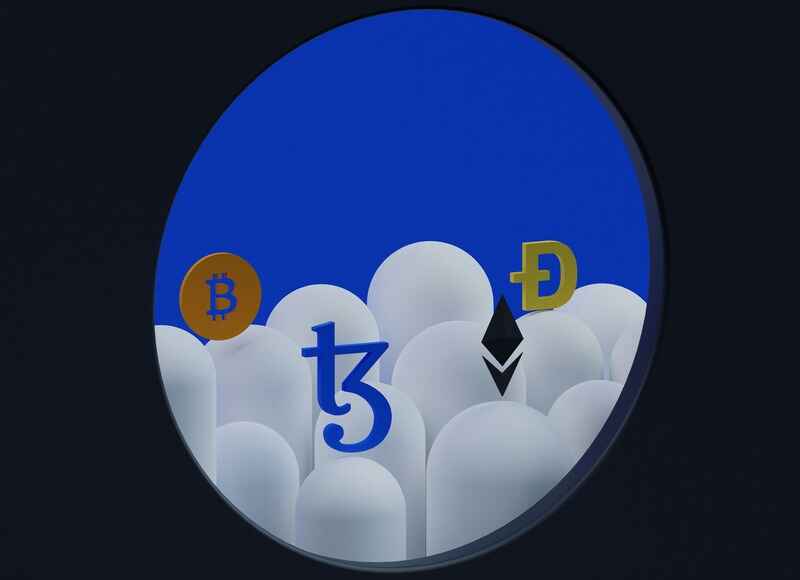
Blockchain is all about transparency, decentralization, and security, right? But let’s be real: it’s not completely bulletproof. As the blockchain space evolves, so do the threats and vulnerabilities that come with it. With big players entering the game and millions flowing into DeFi, NFTs, and DAOs, hackers are sharpening their skills and finding creative ways to break into the system.
Here’s the lowdown on the biggest blockchain security threats to watch for in 2024, along with some tips on staying secure in this high-stakes digital world.
Blockchain Security Threat #1: 51% Attacks
Imagine a situation where someone controls more than half of a blockchain’s computing power. With that kind of control, they could rewrite transaction history, double-spend coins, and mess with the network. This is what’s known as a 51% attack. Although it’s less common on large blockchains like Bitcoin or Ethereum, smaller networks are especially vulnerable to this type of takeover.

How to Stay Protected: Stick with well-established blockchains that have a high number of active nodes. Smaller networks with lower hashing power are more susceptible, so always research the level of decentralization and security of any blockchain before getting involved.
Blockchain Security and Smart Contract Bugs
Smart contracts are the backbone of DeFi, but they can be a hacker’s dream if they contain coding errors. Unlike traditional software, once a smart contract is deployed on the blockchain, it’s nearly impossible to alter. If there’s a bug or loophole, hackers can exploit it and drain funds.
Infamous Example: The 2021 Poly Network hack saw $610 million worth of tokens stolen because of a vulnerability in a smart contract.
How to Stay Protected: Choose DeFi projects that have undergone multiple audits from reputable firms like CertiK or Quantstamp. Double-check for the project’s audit reports—if a project’s contract has been verified, it significantly reduces the risk of bugs that hackers can exploit.
Phishing Scams: The Trojan Horse of Security Threats
Phishing isn’t new, but in the world of blockchain, it has a fresh twist. Scammers often create fake wallet apps, impersonate project websites, or send phishing emails to trick people into giving away their private keys. In 2024, we’re likely to see more sophisticated phishing attacks, especially as crypto adoption grows and more first-timers enter the scene.
How to Stay Protected: Use official apps downloaded directly from the project’s website, enable two-factor authentication, and never share your private key or recovery phrase with anyone. Bookmark official websites to avoid impostor sites and stay vigilant.
Blockchain Security and Rug Pulls in DeFi
In the DeFi world, “rug pulls” are one of the biggest threats. This happens when the developers of a project withdraw all funds and disappear, leaving investors with worthless tokens. In 2024, as more projects pop up overnight, we can expect rug pulls to continue plaguing the space.
How to Stay Protected: Do your research and look for projects with verified teams, established partnerships, and a history of transparent communication. Avoid projects that seem too good to be true or lack a solid roadmap. If the project’s team members are anonymous and there’s no audit, consider it a red flag.
Cryptojacking: A Silent Blockchain Security Threat
Cryptojacking involves hackers secretly using your computer or device to mine crypto without your consent. They do this by injecting malware through links or unsecured websites, causing your device to slow down and overheat. While it doesn’t directly steal your funds, cryptojacking drains your resources and can compromise your device.
How to Stay Protected: Keep your software updated, use strong antivirus protection, and avoid clicking on suspicious links. For crypto miners, especially those using GPUs, monitor device performance for sudden slowdowns or unusual heat, as it could indicate cryptojacking.
Security and Supply Chain Attacks
Supply chain attacks involve targeting a blockchain’s underlying infrastructure or third-party providers to compromise security. With many DeFi and blockchain projects relying on the same infrastructure, a single vulnerability can cascade into a massive breach affecting multiple projects. This could involve anything from data breaches to hacking API providers or cloud services.

How to Stay Protected: If you’re investing or participating in DeFi projects, check if the project has a dedicated security team and partners with reliable third-party providers. Blockchain ecosystems with robust security partnerships are more resilient to supply chain attacks.
Double-Spending Attacks: A Classic Threat in Blockchain Security
A double-spending attack happens when a hacker finds a way to spend the same cryptocurrency more than once, effectively “counterfeiting” digital currency. Although most blockchains have mechanisms in place to prevent double-spending, smaller networks and new blockchains can still be vulnerable to this issue.
How to Stay Protected: Stick with established cryptocurrencies with robust security measures and higher hashrates. Newer or smaller blockchains with low security may be more susceptible to double-spending attacks.
Flex Your Blockchain Knowledge with Crypto Merch from Crypto Swaggy
Keeping up with blockchain security threats is serious business, but it doesn’t mean you can’t have a little fun along the way. If you’re all about that crypto life, show it off with some Crypto Swag from Crypto Swaggy. They’ve got everything from a stylish Doge shirt or hoodie to accessories featuring your favorite tokens like the popular Doge hat. Whether you’re rocking a BTC hat at a crypto meetup or just want some Crypto mugs, Crypto Swaggy has the perfect merch to rep your blockchain obsession in style. Check them out, grab some gear, and stay ahead of the crypto game.
Social Engineering and Blockchain Security
Social engineering attacks are a type of manipulation where scammers trick individuals into revealing personal info, like private keys or passwords. From fake customer service reps to bogus “crypto experts” on social media, attackers use social engineering to gain access to your funds.
How to Stay Protected: Never share personal information or keys with anyone, even if they claim to be from a “support team.” Always reach out to official contacts directly, and remember that no legitimate service will ask for your private key or wallet password.
Protocol-Level Vulnerabilities: The Core of Blockchain Security Risks
Blockchain networks are constantly updating and adding new features, but each update could potentially introduce new vulnerabilities. Protocol-level vulnerabilities refer to bugs or weak points in the actual blockchain code that can be exploited. In 2024, as blockchain tech continues to advance, we may see new attacks targeting protocol vulnerabilities, especially on newer blockchains.
How to Stay Protected: Stick with established blockchains like Bitcoin and Ethereum for the most secure transactions. Newer blockchains may have attractive features, but they often carry greater risk due to less battle-tested code.
Regulatory Risks in Blockchain Security
Regulatory risks don’t involve hacking or scams, but they can still compromise the security of your funds. Governments worldwide are implementing regulations that may affect how you can use or hold crypto. A sudden crackdown on exchanges, for example, could limit access to funds or freeze assets.
How to Stay Protected: Follow reputable crypto news sources and stay informed about potential regulations. Diversify your holdings across several wallets or even multiple blockchains to minimize risk if certain jurisdictions restrict access to your assets.
The Future of Blockchain Security: Staying One Step Ahead
As blockchain technology evolves, so do the threats to its security. But staying secure doesn’t mean living in fear; it means staying informed, being cautious, and always doing your research. In 2024 and beyond, expect blockchain security measures to become even more sophisticated as the tech advances. Here are some tips to help you stay one step ahead:
- Stick to Established Platforms: The top projects and platforms invest heavily in security, so stick to the big names whenever possible.
- Use Cold Storage: For large crypto holdings, consider using cold wallets to keep your assets offline and secure.
- Stay Educated: Read up on security news, learn from incidents, and follow security best practices. Knowledge is your best defense against evolving threats.
Blockchain security isn’t perfect, but understanding the risks and taking steps to protect yourself can make all the difference. By keeping these top threats in mind and applying best practices, you can navigate the blockchain space with confidence and build a secure crypto future.
Blockchain security is about building knowledge and resilience, so arm yourself with the right tools, get a healthy dose of caution, and enjoy the journey. With a bit of know-how and a lot of common sense, you can stay ahead of the threats and keep your crypto assets safe.